Think You Have What It Takes to Teach BLS, ACLS & PALS?
I once sat in a class where the instructor spent forty-five minutes on his glory days as a firefighter, never touched a manikin, and passed everyone anyway. That's not what this is. When you teach under my name, you're representing me — every class, no exceptions. This is an apprenticeship: you'll watch me teach, assist, then teach under my direct evaluation. I decide pass or fail. If you're ready to actually earn it, apply below.
Strong Communicator
You explain complex clinical concepts clearly and keep a room engaged — no glory-days storytelling, no shortcuts.
This Is an Apprenticeship, Not a Weekend Course.
A bad instructor doesn't fail quietly — it fails forward, onto every patient the people in that room ever touch. That's why nobody gets handed a card here.
- Step 1: Watch me teach — the real thing, not a demo
- Step 2: Assist, hands-on, in the room
- Step 3: Teach, with me evaluating every second of it
- Step 4: I decide — pass or fail. Nobody passes because they showed up.
- If you pass: full curriculum, materials, and client pipeline handled for you
390+
Students certified since 2020
3
AHA course tracks: BLS, ACLS & PALS
5+ Years
Delivering hands-on AHA training
★★★★★
I watched him teach three times before I ever touched a manikin in front of a class. When I finally taught my own session, I understood why — I was actually ready.
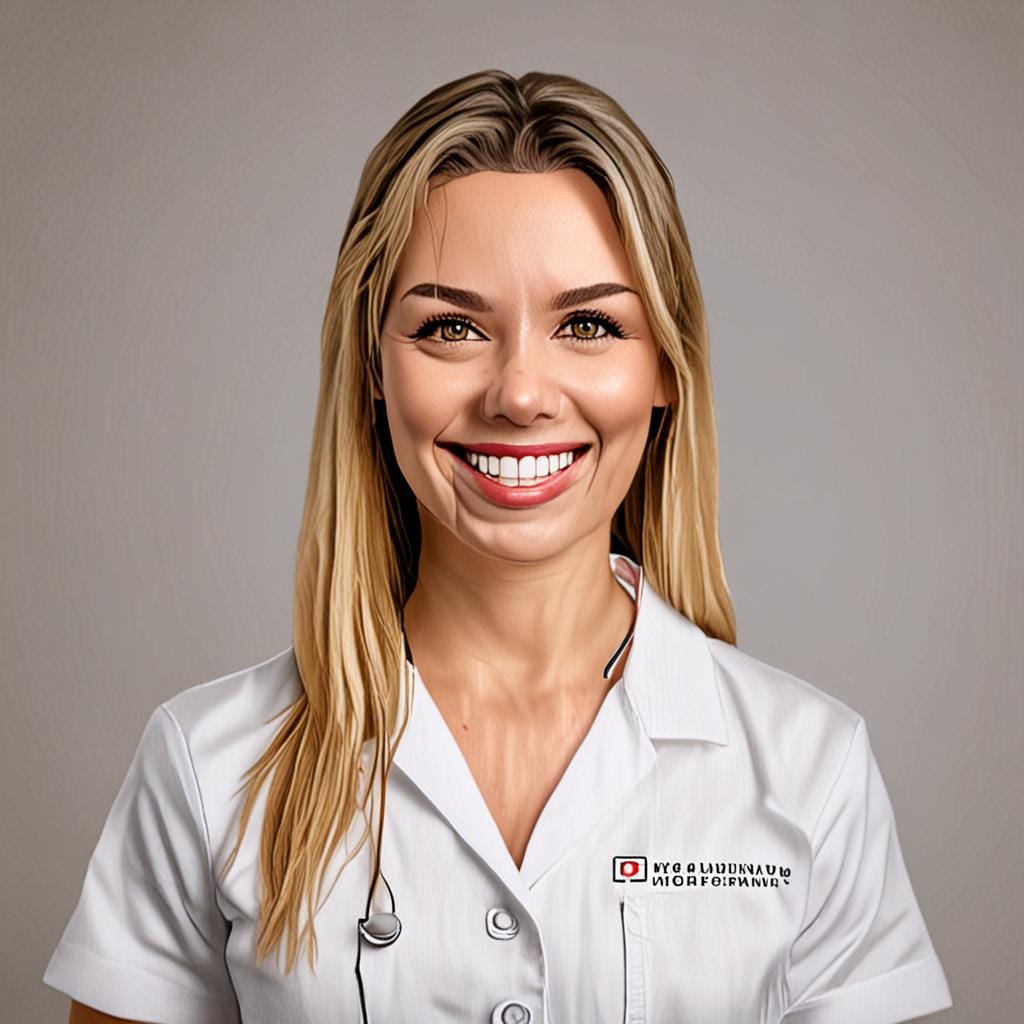
Example: Instructor Name
BLS Instructor
★★★★★
It's harder than any other instructor path I looked into. It's also the only one where I actually trust the person who signed off on me.
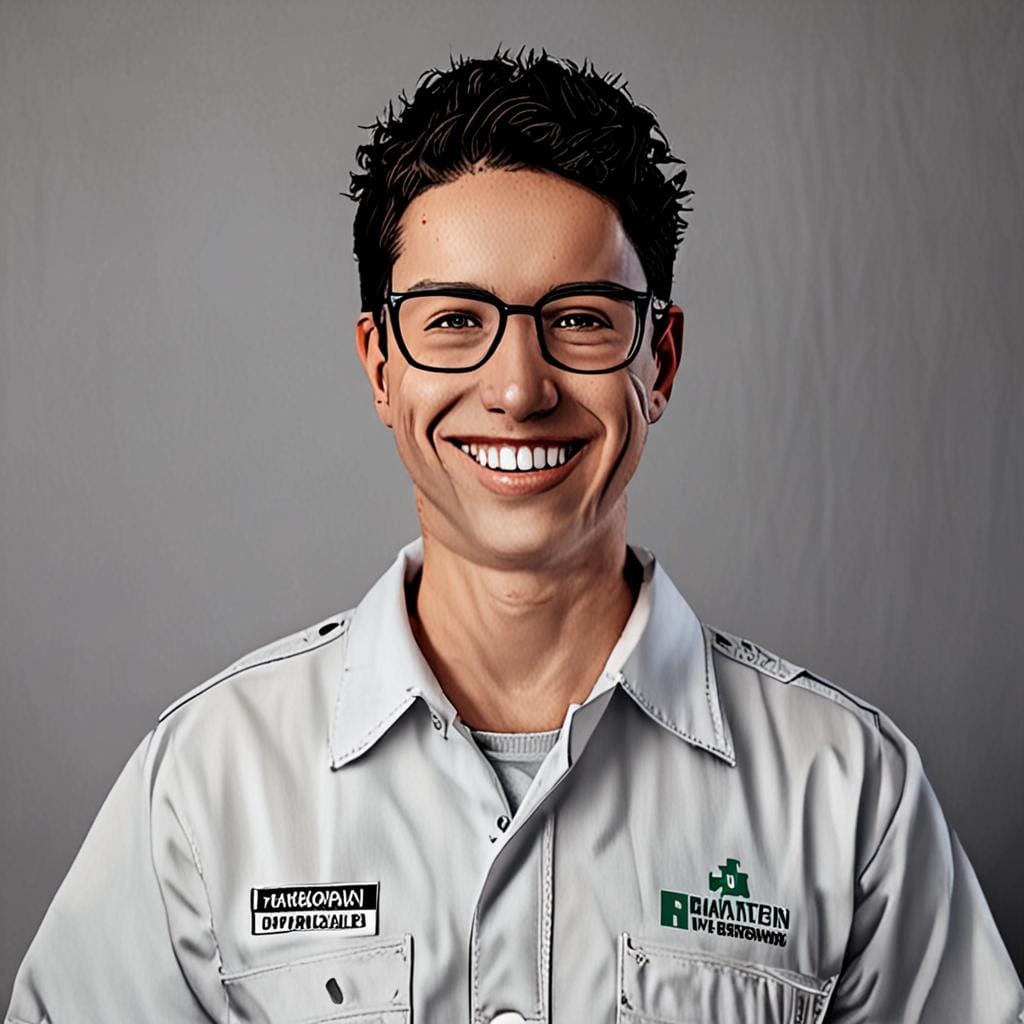
Example: Instructor Name
ACLS Instructor
No. You don't need an existing instructor credential — you need a current provider card and real clinical experience. What you'll be held to instead is a hands-on evaluation: watch, assist, teach, and a pass/fail decision at the end.
You're welcome to keep building experience and reapply. This isn't a one-shot audition — it's a real evaluation, and not everyone is ready the first time through.
Because a corner cut in a CPR class doesn't just affect one person — it affects every patient the people in that room ever treat. The standard is intentional.
Most instructors teach a few classes a month on a flexible schedule that works around your primary job.
© Dr R CPR Training. All rights reserved.